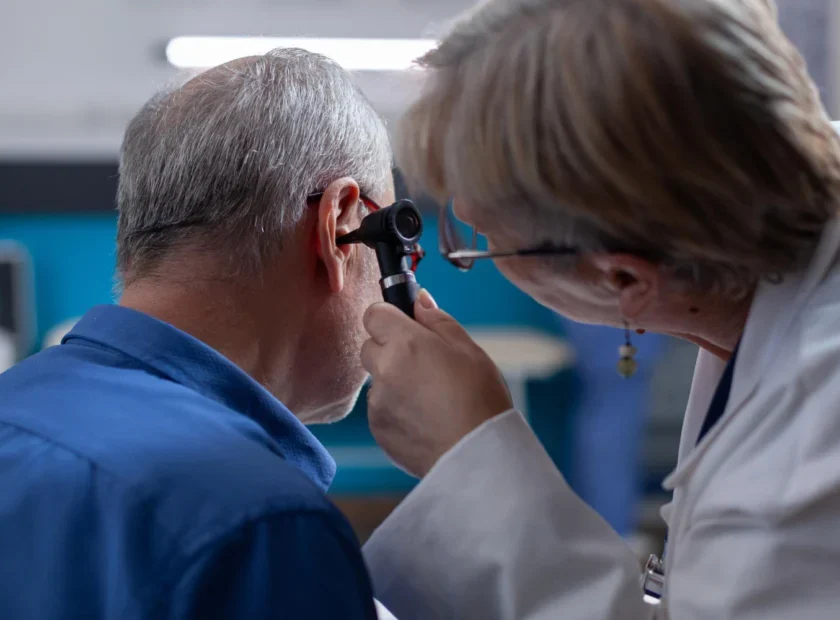
Why Regular Hearing Tests Are Essential for People of All Ages
Hearing is one of the most important senses we rely on every day, yet it often goes unnoticed until issues arise. Whether it’s the sound of a loved one’s voice, the hum of a busy street, or the ringing of an alarm clock, the ability to hear plays a crucial role in our daily lives. But as we age, or even due to certain lifestyle factors, our hearing can begin to decline. This makes regular hearing tests essential, regardless of age. In this blog, we will explore the importance of hearing tests, why they should be part of routine healthcare, and how they can benefit individuals at every stage of life.
What is a Hearing Test?
A hearing test is a basic process that a medical professional or a hearing specialist performs to check the ability of a person to understand various sounds, pitches, and volumes. The goal is to identify if a healthcare professional detects any hearing impairment, its intensity, and which therapy options they may recommend.
Hearing tests do not involve any operation, and the patient usually wears headphones and responds to the sounds and tones played at different frequencies. Hearing tests can uncover diseases that may cause hearing loss or may cause the ear to ring or affect the speech clarity.
The Importance of Regular Hearing Tests
1. Early Detection of Hearing Loss
A major factor in organizing regular hearing tests is that they can help identify hearing loss at an early stage. Usually, hearing loss develops progressively and may remain unnoticed for a long time, especially when it is on the mild side. Without regular hearing assessments, people may not recognize the absence of background sounds in their lives until the condition takes a turn for the worse.
Early identification is imperative since untreated hearing loss can cause serious effects, such as social isolation, cognitive decline, and the emergence of mental illnesses like depression and anxiety. A hearing test helps identify the problem, preventing it from severely affecting a person’s life.
2. Prevention of Further Hearing Damage
Individuals who are in loud environments or subjected to a constant noise such as workers in the construction industry, musicians, and factory employees should have their hearing checked regularly. The continuous exposure to high decibel levels can cause the delicate hair cells in the inner ear to become damaged leading to hearing loss that is permanent.
A hearing test allows the experts who look after workers in such industries to keep track of any signs of injury over time and provide them with treatment in time or even offer them advice for protecting their hearing health such as use of ear protectors or avoidance of noisy areas.
3. The Monitoring of Hearing Loss Due To Old Age (Presbycusis)
Hearing loss is a natural phenomenon as we grow older. A condition known as presbycusis is responsible for age-related hearing loss, and it affects millions of people globally. However, the pace of deteriorating hearing varies among individuals. Regular hearing tests are the only way to monitor these changes.
Most times, the use of hearing aids or other assistive devices goes along way in improving hearing ability and the quality of life. The hearing test helps in the determination of the need for hearing aids and other treatments. The devices can be reassured of their good functioning through continuous testing
4. Better Quality of Life
Hearing plays an important role in communication and the overall quality of life no matter if you are a child, a working adult, or an elderly person. Clear hearing enables you to interact socially and intellectually with people, as well as enjoy the pleasant sounds of nature. Hearing loss may make people very disappointed, isolated and thus have trouble interacting with other people in their daily lives.
Regular hearing tests are essential in the early diagnosis of any problems which then facilitates immediate treatment. Through the correct intervention such as with hearing aids or speech therapy, one is able to still partake in every activity which makes life joyful.
5. Preventing Cognitive Decline
Untreated hearing loss does not just cause one to miss certain sounds; it also leads to cognitive impairment. Research confirms that people with untreated hearing loss experience faster memory decline and a loss of other cognitive skills. The brain requires more energy to interpret sounds, which exhausts it quicker, making it more susceptible to diseases like dementia or Alzheimer’s.
Regular hearing tests are able to diagnose hearing loss at an early stage thus, this is a prevention from hearing loss becoming a factor that may lead to cognitive disorders later in life.
6. Speech and Language Development in Children
At the early stages of a child’s life, speech and language development is highly dependent on hearing. Hearing loss in children will retard their speech development, which will lower their academic performance and social skills. The sooner you test a child’s hearing, the better the chances for effective intervention, ensuring the child receives the appropriate therapy, which may include speech training and the use of a hearing instrument.
Once professionals announce the hearing loss early, they can assist children with hearing aids and other support devices, making a huge difference not only in their communication but also in their learning.
Who Should Get a Hearing Test?
1. Infants and Toddlers
The hearing condition of infants and toddlers through appropriate examinations is the primary tool to uncover those cases of congenital or early development hearing loss. The early detection makes it possible for the child to wear a hearing aid or attend speech therapy thus eventually acquiring communication skills.
2. Adults (Aged 18 and above)
A professional should regularly evaluate the hearing of adults, especially for those with a family history of deafness, who work in noisy environments, or who have been exposed to loud music or machines. A baseline hearing test in the early stage of youth can be helpful in detecting any subsequent hearing loss or changes.
3. Seniors (Aged 60 and above)
Hearing loss is a typical phenomenon that gets more pronounced as one grows older. The statistics say that 1/3 of the people aged 65 and above suffer from a certain degree of hearing impairment. The routine hearing test is the prime tool that seniors can use to discover the earliest symptoms of presbycusis and to keep their lives at a high quality with proper interventions.
How Often Should You Have a Hearing Test?
The question of how often a hearing test should be taken depends on one’s age, risk factors, and whether or not there are any symptoms. The main idea looks like this:
• Children: Hearing must be tested during regular check-ups and especially before starting school.
• Adults (18-50): If there are no symptoms, a hearing test every 3-5 years is recommended. In the case of persons working in noisy places, more frequent tests may be needed.
• Seniors (50 and above): The hearing test every 1-2 years is the best practice as the occurrence of hearing loss becomes more and more with age.
Conclusion: Prioritize Your Hearing Health
Hearing is the organ that is almost the centre of our lives – communication, social life, mental health, etc. – and regular hearing tests are necessary for all people, children, youth, and the elderly. This is because they help the detection of hearing loss at an early stage, prevent further damage, and the best quality of life possible ensure. At Softone Speech & Hearing Clinic, we do the complete hearing evaluation and provide the vast variety of hearing aid from the multiple brands to best fit your needs. Please take the hearing test day at your convenience and make the initial move to a better hearing health!