
September 26, 2025 by admin 0 Comments

Why Choosing a Local Audiologist Matters for Your Hearing Health

If you want to maintain your hearing in a good condition, the decision of an audiologist who is right for you would be a key factor of the service you receive and the success of hearing solutions provided to you. It is often more preferred to select a bigger, national chain or online hearing test for consumers’ convenience, however, there are many reasons that speak for the choice of the local audiologist. The local professional will provide you with hearing solutions that are the most accurate for your specific care needs, starting with personalized care and a more convenient location for follow-ups.

In this blog, we will share with you the reasons behind the importance of selecting a local audiologist for your hearing health and how this decision will benefit you in the future.

What does an Audiologist do?

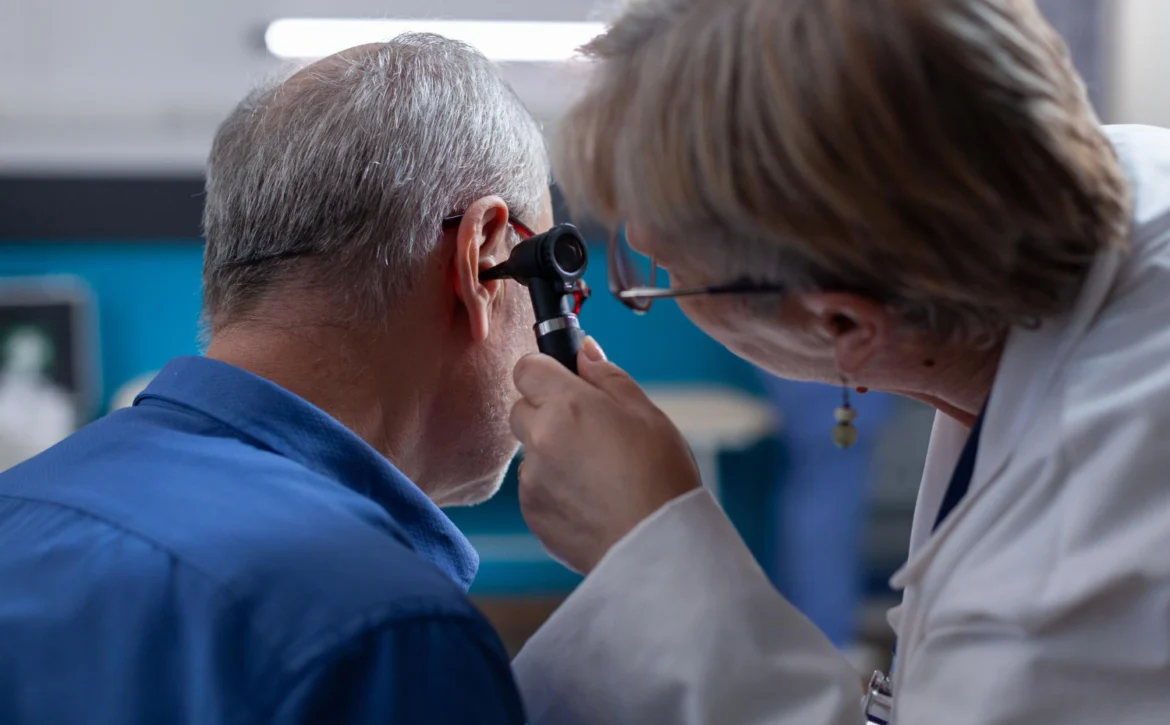
Audiologist is the one who is professionally trained to diagnose, manage, and treat hearing loss as well as balance disorders. They conduct hearing exams, fit hearing aids, give speech therapy, and provide devices for tinnitus and other hearing-related problems. Audiologists provide a very important role in detecting the earliest indications of hearing loss and the path they take to the suitable treatment.

Why Should You Choose a Local Audiologist?

1. Personalized Care and Attention

The most important advantage of selecting a local audiologist is the uniquely personalized care offered to each individual. The local expert gets the knowledge of your peculiar hearing needs and lifestyle, thus, recommending the most suitable hearing solutions to you.

Unlike big clinics or online services, a local audiologist will not only provide you with the time to talk about your concerns but will also make suggestions based on the needs that you have in your hearing profile. Hearing aids, tinnitus treatment, and speech therapy are just some of the things the local audiologist might use to help you reach your health goals note that in each case, he or she will first discuss your goals and then build the treatment plan accordingly.

2. Easier Access for Follow-ups and Adjustments

In most cases, the associated hearing aids and other auxiliary devices require technical adjustments and fine-tuning for the best performance possible. The use of a local audiologist makes all these adjustments very simple, follow-up visits can be easily accessible. Any questions you have, maintenance, or even setting adjustments can be done easily and more efficiently via a local audiologist than if you were a remote service provider.

Also, if there is a problem with your hearing aids or hearing health, quick access to repairs, battery replacements, or troubleshooting without waiting weeks for a response from a larger clinic is what having a local audiologist is all about.

3. Quick Response Times

Most often, local clinical professionals prioritize the needs of their community, local patients, and residents more than personal gains. A local audiologist can usually give a quicker response in situations where you need urgent care or have very specific questions about your hearing health. Emergencies don’t have to be stressful, in case you need to make an immediate appointment or just want a quick call instead of waiting for hours elsewhere you can just do it with a local audiologist.

Local dedicated staff just a mere phone call away is all you need to have at your disposal, timely help is what you will get.

4. Better Understanding of Local Environmental Factors

The local audiologist is one who knows the in and out of the environment that can be a factor of your hearing problems. In case you are living in a noisy place like a city, the audiologist can be able to give you some advice and help you maintain your hearing not to be worsened by the noise and the pollution. Moreover, they will be the users of the very same characteristics of the area such as humidity and temperature which are the main factors that aid in the breakdown of hearing aids.

It is the local audiologist through his/her lifestyle experience and environmental analysis that will be able to come up with the prevention measures and the necessary treatment work to retain your hearing.

5. Convenience and Proximity

A local audiologist is mostly chosen because of the comfort and convenience associated with the proximity. For instance, elderly people or those with movement problems find it particularly inconvenient to travel long distances to attend appointments. The time and energy spent on long travels are cut down when you pick a local hearing care professional, thus, it will be easier for you to stay on top of your regular checkups or hearing aid maintenance schedule.

Additionally, a local clinic might be more knowledgeable of the local healthcare system and insurance policies, making it easier for you to navigate payments, co-pays, and insurance claims.

6. Trust and Reputation in the Community

Most of the time, a local audiologist is deeply rooted in the local community and rely on the recommendations from happy clients. Being part of a local community, they do everything they can to keep their well-known reputation that has been built on trust, consistency, and quality of care over a period of time.

Moreover, you can use the local reviews and word-of-mouth recommendations from the persons you know, whether they are friends, family members, or neighbors, to assist you in making a right judgement. The personal nature of working with a local audiologist often is a more delightful experience in healthcare, as they are devoted not only to their patients but also to their community.

7. Comprehensive and Ongoing Care

When you go with a local audiologist you will be able to receive a thorough care that would even include the initial hearing test. Besides fitting hearing aids, many local audiologists also provide long-term care, e.g., regular visits for hearing loss progression monitoring, help in speech therapy, and even counseling on hearing health.

Along with this, the local audiologist can also give you a wide range of services including tinnitus, cochlear implant, and balance therapy. Talk about caring for you all the way! They keep your health history and hearing needs in mind and care for your hearing condition as it changes over time.

How to Choose the Right Local Audiologist

The following points talk about essential factors to be kept in mind while choosing a local audiologist.

1. Credentials and Qualifications

Make sure that the hearing specialist you select holds the license and is duly certified by the corresponding professional boards. In most countries, an audiologist must have a doctorate in audiology (Au.D.) and authorized to practice.

2. Experience and Expertise

Pick the one who is savvy and specializes in your particular hearing problem be it age-related hearing loss, tinnitus, or children’s audiology. In short, the longer the audiologist, the more he/she is capable of dealing with a broad spectrum of hearing problems.

3. Range of Services

Find an audiologist that has a wide range of services, including hearing aids fitting, speech therapy, tinnitus management, examinations of the ear, and so on.

4. Patient Reviews and Testimonials

Look at patient reviews, seek referrals, or ask for recommendations from relatives, friends who have had good experiences with local audiologists. Personal testimonials are often a reliable way to gauge the quality of care a clinic provides.

5. Office Location and Accessibility

Look at where the audiology clinic is and how accessible it is. Make sure that it is convenient for you to come for ear tests, follow-up visits, or hearing aid maintenance on a regular basis.

Conclusion: Local Audiologists Offer Personalized and Effective Hearing Health Care

The decision to go with a local audiologist is a win-win situation in so many ways such as it not only facilitates personalized care but also follow-up appointments are more accessible, and so on. A local audiologist can provide the attention and care you deserve no matter whether you need help with hearing loss, tinnitus, or hearing aid fitting.
We at Softone Speech & Hearing Clinic make it our mission to provide the patient with audiology services personalized to their unique hearing health needs. Our professionals are very experienced and equipped with cutting-edge technology; therefore, we make sure that the best hearing care is given to you right in your local community.
September 26, 2025 by admin 0 Comments

How to Choose the Right Hearing Aid: A Guide to Your First Purchase

The right hearing aid device selection can be so confusing, especially if you are a first-timer. With numerous types, brands, and features available, how can you be sure which one will be the most suitable for your needs? The right hearing aid, no matter if you are a sufferer of age-related hearing loss, tinnitus, or any other hearing condition, can make a big difference in your life. In this guide, we will cover all the necessary information to help you decide and choose the hearing aid that fits you best.

Why Hearing Aids Matter

Hearing aids are the equipment that loudens the sounds for people who have a hearing problem. They facilitate hearing by raising the volume of the sounds and making the speech clearer. The development of technology has made modern hearing aids much more than mere sound amplifiers. In fact, the devices of today come with such features as Bluetooth connectivity, noise reduction, and directional microphones to achieve the best possible hearing in any situation.

It is imperative understanding the mechanism of a hearing aid and the reasons that make it helpful in your hearing ability and general quality of life before venturing into the selection process of a hearing aid. Having the correct hearing aid in place, you can experience the world around you again – hearing conversations with family and friends, listening to your favorite music or hearing the sounds of nature that you may have missed.

Step 1: Understand Your Hearing Loss

Types of Hearing Loss

Symptom of loss of hearing are multiple, thus pinpointing the particular kind is the very first step in deciding the proper hearing aid. The main types of hearing loss are:

• Sensorineural Hearing Loss: The major is the one which occurs as a result of the inner ear or the auditory nerve getting damaged. It is very often a slow process along with aging.

• Conductive Hearing Loss: It refers to the condition when the outer or the middle ear has a problem such as liquid congestion, ear infections, or a ruptured eardrum.

• Mixed Hearing Loss: An overlap of both sensorineural and conductive hearing loss.

The nature and the extent of your hearing loss will be the deciding factor for which hearing aid will fit you best. For instance, those with sensorineural hearing loss are the ones that can be assisted with digital well, equipped hearing aids whereas the people with the conductive type of loss will most probably need a different kind of instrument.

Have Your Hearing Tested

The most efficient method of identifying your precise hearing requirements is arranging a hearing exam with a qualified audiologist. The expert will pinpoint the level and the kind of hearing loss during the examination, thus making the suitable hearing aid choices based on your personal hearing configuration.

Step 2: Choose the Style of Hearing Aid

Hearing aids come in several styles, each with their own advantages and disadvantages. The best design for you will be determined by your activities, preferred comfort level and how severe the hearing loss is.

1. Behind, the, Ear (BTE) Hearing Aids

Best For: Those with mild to severe hearing loss.

BTE hearing aids are worn behind the ear and connected to a piece that fits directly into the ear or to a thin tube that allows the sound to reach the ear canal. They are one of the most popular styles of hearing aids due to their effectiveness in offering strong amplification and suitability for a wide variety of hearing losses.

Pros:

• Can be used for any level of hearing loss.

• Able to last longer and be more durable.

• There are also rechargeable options.

• Having the bigger battery, you can use it for a longer time.

Cons:

• Compared to other types, these are more noticeable.

• Those with certain ears may experience discomfort because of their large size.

2. In, the, Ear (ITE) Hearing Aids

Best For: People with a mild to moderate hearing loss.

ITE hearing aids are constructed according to the exact shape of the patient’s outer ear. Because of their discreetness, they offer a combination of power and convenience that appeals to a large number of users.

Pros:

• Comfortable due to their custom, fit and the quality of sound will be improved as well.

• Less noticeable than BTE.

• Good for people with dexterity issues as easy to handle and use.

Cons:

• Their battery is small from which you may need to change it quite often.

• They are not the best choice for severe hearing loss.

3. In The Canal (ITC) Hearing Aids

Best for those that have mild to moderate hearing loss.

The size of ITC hearing aids is less than that of the ITE aids and thus they are placed in the ear canal making them almost invisible. They may not be as powerful as BTE aids but they are unobtrusive and comfortable.

Pros:

• Very discreet and less visible.

• Comfortable for many users.

• Can be custom, made for a more secure fit.

Cons:

• They have small batteries that need to be replaced more often.

• Wearers of severe hearing loss may not find them suitable.

4. Completely in the Canal (CIC) Hearing Aids

Best For: Those with a mild hearing loss.

CIC hearing aids are the least visible of the hearing devices and, are entirely situated in the ear canal. Along with being the least visible, they also give the user a whole new basic sound experience.

Pros:

• Nearly invisible.

• Are less likely to fall out, quite comfortable.

• Do not have the problem of wind noise.

Cons:

• The battery life is very short.

• These devices are not capable of handling all types of hearing losses.

• Compared to the bigger devices, they have fewer features.

Step 3: Think about the Features You Want

The current hearing aids have numerous features that promise to bring a higher quality sound and a good overall listening experience. Below are the features that can lead your hearing aid selection:

1. Digital Technology

Nowadays, the majority of hearing aids are digital; hence they can be set to import some frequencies in coherence with your hearing necessities. The digital hearing aids that are worn by you can be reprogrammed by the audiologist to fit your hearing needs perfectly.

2. Bluetooth Connectivity

The hearing aids that support Bluetooth allow the device to be connected to mobile phones, television sets, or several other gadgets that are Bluetooth, compatible. In this way, the user can easily listen to the phone calls, music, or TV programs without much hassle.

3. Noise Reduction and Directional Microphones

Through noise reduction, the user will get rid of the ambient noise and will be able to hear in a crowded or noisy place without putting extra effort. At the same time, directional microphones isolate and capture the speech coming from you or the person sitting next to you, thus verbal exchange becomes easier and clearer.

4. Rechargeability

The use of rechargeable hearing aids minimizes the problems of changing batteries from time to time. If these devices bring you the convenience of charging them at night and then wearing until the battery fades during the day, you will also benefit from the long, term savings of the replacement batteries.

5. Water, Resistant or Waterproof Features

If you have an energetic lifestyle or are troubled by the possibility that your hearing aids will be affected by moisture, then support your device with water, resistant or waterproof brands. Such minor hearing aids have been created to protect extremely from even the smallest water droplets caused by rain, sweat, or just too much humidity in the air.

Step 4: Set Your Budget

Choosing hearing aids is like making a big purchase, with prices depending on the style, features, and brand. Therefore, it is crucial to assign a reasonable budget for your hearing aids, while remembering that more advanced features like Bluetooth connectivity and noise reduction will lead to higher prices.

Yes, the initial cost might be large, but it is still a good idea to look at the long, term benefits. There are some insurance plans which might cover the expenses to some extent. One of those plans is Medicaid. Furthermore, financing options like the one provided by Softone clinic can certainly facilitate the acquisition of hearing aids.

Step 5: Work with a Professional Audiologist

Your next step is to collaborate with a professional audiologist. This comes after you have used the hearing test results, hearing aid style, and features to narrow your choices. Basically, the aim of the audiologist in doing this is for the proper fitting and adjustments. Your audiologist will help you select the perfect hearing aid for your requirements, do the necessary adjustments, and provide you with constant support to ensure your hearing aid is working at full capacity.

Conclusion

By getting the right hearing aid, you will not only be able to hear better but you will also be able to enjoy your life more than before. No matter if your hearing loss is on the low or the high side, there is a hearing aid style and technology that belongs only to you. Understanding your hearing loss, picking the right style, thinking through the main features, and setting a realistic budget will guide you on the path of finding the right kind of solution for you.
We at Softone Speech & Hearing Clinic are the ones who bring to you the entire line of hearing aids from reputable brands, together with expert audiology services to make your election. The day of your hearing test arrive without delay, and you will be taking the impossible step towards hearing improvement right there in the moment!

September 26, 2025 by admin 0 Comments

Why Regular Hearing Tests Are Essential for People of All Ages

Hearing is one of the most important senses we rely on every day, yet it often goes unnoticed until issues arise. Whether it’s the sound of a loved one’s voice, the hum of a busy street, or the ringing of an alarm clock, the ability to hear plays a crucial role in our daily lives. But as we age, or even due to certain lifestyle factors, our hearing can begin to decline. This makes regular hearing tests essential, regardless of age. In this blog, we will explore the importance of hearing tests, why they should be part of routine healthcare, and how they can benefit individuals at every stage of life.

What is a Hearing Test?

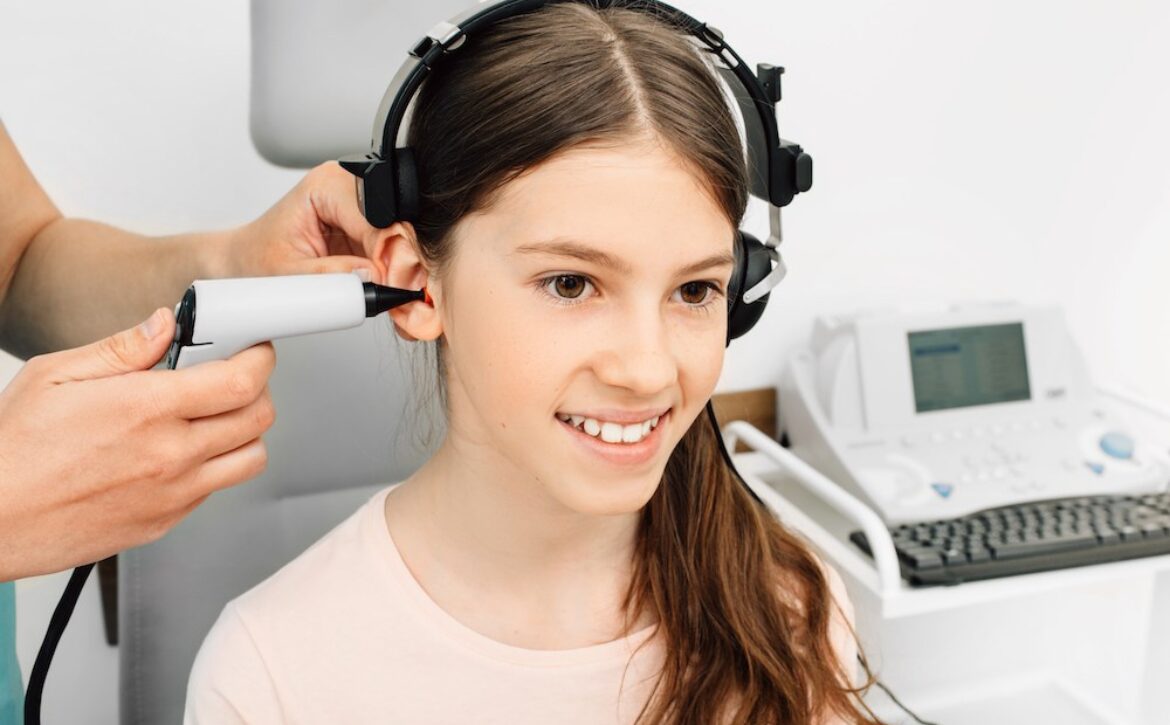
A hearing test is a basic process that a medical professional or a hearing specialist performs to check the ability of a person to understand various sounds, pitches, and volumes. The goal is to identify if a healthcare professional detects any hearing impairment, its intensity, and which therapy options they may recommend.

Hearing tests do not involve any operation, and the patient usually wears headphones and responds to the sounds and tones played at different frequencies. Hearing tests can uncover diseases that may cause hearing loss or may cause the ear to ring or affect the speech clarity.

The Importance of Regular Hearing Tests

1. Early Detection of Hearing Loss

A major factor in organizing regular hearing tests is that they can help identify hearing loss at an early stage. Usually, hearing loss develops progressively and may remain unnoticed for a long time, especially when it is on the mild side. Without regular hearing assessments, people may not recognize the absence of background sounds in their lives until the condition takes a turn for the worse.

Early identification is imperative since untreated hearing loss can cause serious effects, such as social isolation, cognitive decline, and the emergence of mental illnesses like depression and anxiety. A hearing test helps identify the problem, preventing it from severely affecting a person’s life.

2. Prevention of Further Hearing Damage

Individuals who are in loud environments or subjected to a constant noise such as workers in the construction industry, musicians, and factory employees should have their hearing checked regularly. The continuous exposure to high decibel levels can cause the delicate hair cells in the inner ear to become damaged leading to hearing loss that is permanent.

A hearing test allows the experts who look after workers in such industries to keep track of any signs of injury over time and provide them with treatment in time or even offer them advice for protecting their hearing health such as use of ear protectors or avoidance of noisy areas.

3. The Monitoring of Hearing Loss Due To Old Age (Presbycusis)

Hearing loss is a natural phenomenon as we grow older. A condition known as presbycusis is responsible for age-related hearing loss, and it affects millions of people globally. However, the pace of deteriorating hearing varies among individuals. Regular hearing tests are the only way to monitor these changes.

Most times, the use of hearing aids or other assistive devices goes along way in improving hearing ability and the quality of life. The hearing test helps in the determination of the need for hearing aids and other treatments. The devices can be reassured of their good functioning through continuous testing

4. Better Quality of Life

Hearing plays an important role in communication and the overall quality of life no matter if you are a child, a working adult, or an elderly person. Clear hearing enables you to interact socially and intellectually with people, as well as enjoy the pleasant sounds of nature. Hearing loss may make people very disappointed, isolated and thus have trouble interacting with other people in their daily lives.

Regular hearing tests are essential in the early diagnosis of any problems which then facilitates immediate treatment. Through the correct intervention such as with hearing aids or speech therapy, one is able to still partake in every activity which makes life joyful.

5. Preventing Cognitive Decline

Untreated hearing loss does not just cause one to miss certain sounds; it also leads to cognitive impairment. Research confirms that people with untreated hearing loss experience faster memory decline and a loss of other cognitive skills. The brain requires more energy to interpret sounds, which exhausts it quicker, making it more susceptible to diseases like dementia or Alzheimer’s.

Regular hearing tests are able to diagnose hearing loss at an early stage thus, this is a prevention from hearing loss becoming a factor that may lead to cognitive disorders later in life.

6. Speech and Language Development in Children

At the early stages of a child’s life, speech and language development is highly dependent on hearing. Hearing loss in children will retard their speech development, which will lower their academic performance and social skills. The sooner you test a child’s hearing, the better the chances for effective intervention, ensuring the child receives the appropriate therapy, which may include speech training and the use of a hearing instrument.

Once professionals announce the hearing loss early, they can assist children with hearing aids and other support devices, making a huge difference not only in their communication but also in their learning.

Who Should Get a Hearing Test?

1. Infants and Toddlers

The hearing condition of infants and toddlers through appropriate examinations is the primary tool to uncover those cases of congenital or early development hearing loss. The early detection makes it possible for the child to wear a hearing aid or attend speech therapy thus eventually acquiring communication skills.

2. Adults (Aged 18 and above)

A professional should regularly evaluate the hearing of adults, especially for those with a family history of deafness, who work in noisy environments, or who have been exposed to loud music or machines. A baseline hearing test in the early stage of youth can be helpful in detecting any subsequent hearing loss or changes.

3. Seniors (Aged 60 and above)

Hearing loss is a typical phenomenon that gets more pronounced as one grows older. The statistics say that 1/3 of the people aged 65 and above suffer from a certain degree of hearing impairment. The routine hearing test is the prime tool that seniors can use to discover the earliest symptoms of presbycusis and to keep their lives at a high quality with proper interventions.

How Often Should You Have a Hearing Test?

The question of how often a hearing test should be taken depends on one’s age, risk factors, and whether or not there are any symptoms. The main idea looks like this:

• Children: Hearing must be tested during regular check-ups and especially before starting school.

• Adults (18-50): If there are no symptoms, a hearing test every 3-5 years is recommended. In the case of persons working in noisy places, more frequent tests may be needed.

• Seniors (50 and above): The hearing test every 1-2 years is the best practice as the occurrence of hearing loss becomes more and more with age.

Conclusion: Prioritize Your Hearing Health

Hearing is the organ that is almost the centre of our lives – communication, social life, mental health, etc. – and regular hearing tests are necessary for all people, children, youth, and the elderly. This is because they help the detection of hearing loss at an early stage, prevent further damage, and the best quality of life possible ensure. At Softone Speech & Hearing Clinic, we do the complete hearing evaluation and provide the vast variety of hearing aid from the multiple brands to best fit your needs. Please take the hearing test day at your convenience and make the initial move to a better hearing health!